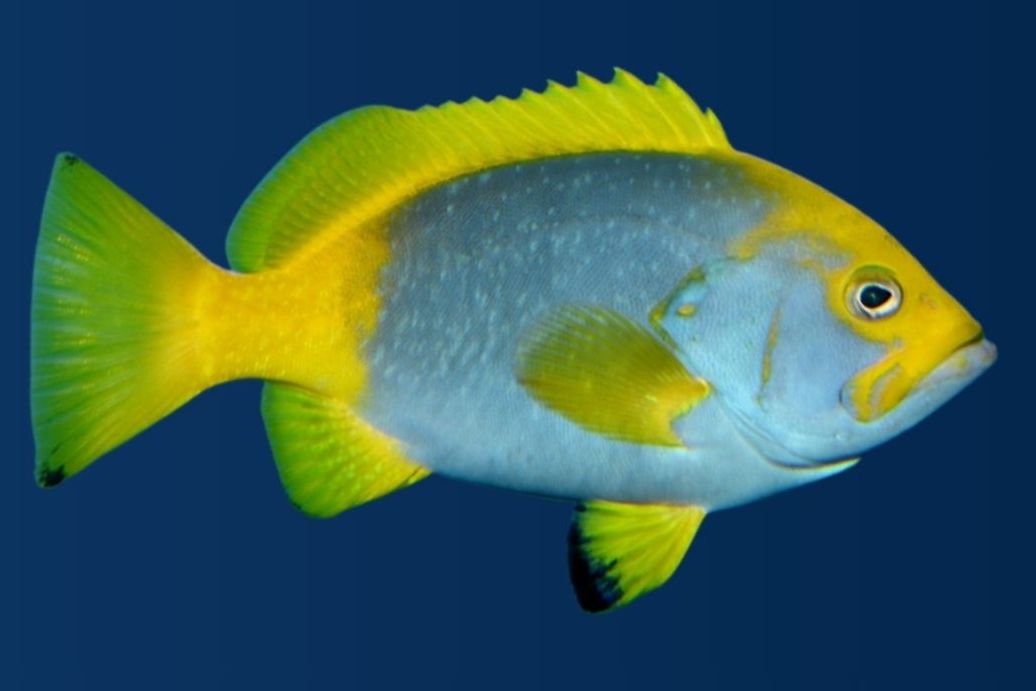
Description
Aquarium Requirements:
- Tank Size: 500 gallons (1,900 L) minimum for juveniles; 1,000+ gallons (3,800+ L) essential for adults, with 10+ ft (3 m) length for swimming
- Water Parameters:
- Temperature: 75–82°F (24–28°C)
- pH: 8.1–8.4
- Salinity: 1.020–1.025 SG
- Ammonia/Nitrite: 0 ppm
- Nitrate: <20 ppm
- Water Flow: Moderate to strong, varied (10–15× tank volume per hour) with good oxygenation
- Lighting: Low to moderate (PAR 50–150); sufficient for fish-only systems
Size & Lifespan:
- Adult Size: 24–36 inches (60–90 cm)
- Lifespan: 10–15 years with ample space, nutrition, and pristine conditions
Behavior & Tank Mates:
- Diurnal ambush predator; hovers motionless in the water column, darting to strike prey—highly territorial and solitary
- Aggressive toward smaller fish, inverts, and even similar-sized tank mates over time; one per tank only
- Compatible with:
- Very large, robust species like moray eels, large wrasses, or triggers in oversized FOWLR setups
- Avoid: small fish, shrimp, crabs, corals, or anything it can fit in its mouth—will consume indiscriminately
- Not reef-safe – predatory nature leads to consumption of corals, inverts, and small livestock
- Thick lips and powerful build; may initially be shy but becomes bold and active
Diet & Feeding:
- Carnivorous predator – feeds on fish, crustaceans, cephalopods, and mollusks in the wild
- Feed 1–2 times daily with large portions to sustain growth:
- Live or fresh whole fish (e.g., sardines, mullet) or squid chunks (primary diet)
- Frozen large shrimp, crabs, or lobster pieces
- High-quality sinking carnivore pellets once acclimated (e.g., NLS Predator Formula)
- May require live foods initially if refusal occurs
- Essential: Varied, meaty diet to prevent nutritional deficiencies; heavy feeding increases bioload—monitor closely
Additional Care Notes:
- Challenging for all but advanced hobbyists – rapid growth demands planning for rehoming or public aquarium transfer
- Prone to ich, bacterial infections, and stress from poor acclimation – mandatory 4–6 week quarantine with UV sterilizer
- Drip acclimate slowly (3+ hours); sensitive to transport stress and parameter swings
- Provide extensive rock caves, ledges, and open swimming areas to mimic reef drop-offs
- Excellent filtration (oversized skimmer, refugium) critical due to messy eating habits
- Wild-caught only – not captive-bred
- Thrives in fish-only with live rock (FOWLR) but outgrows most home systems quickly