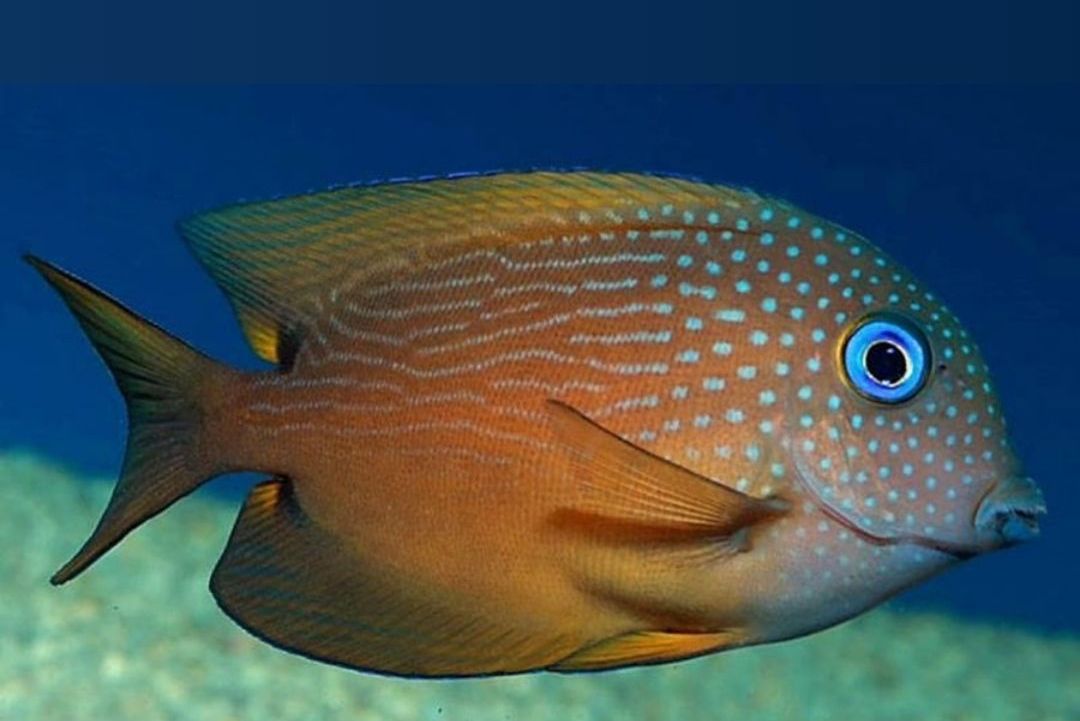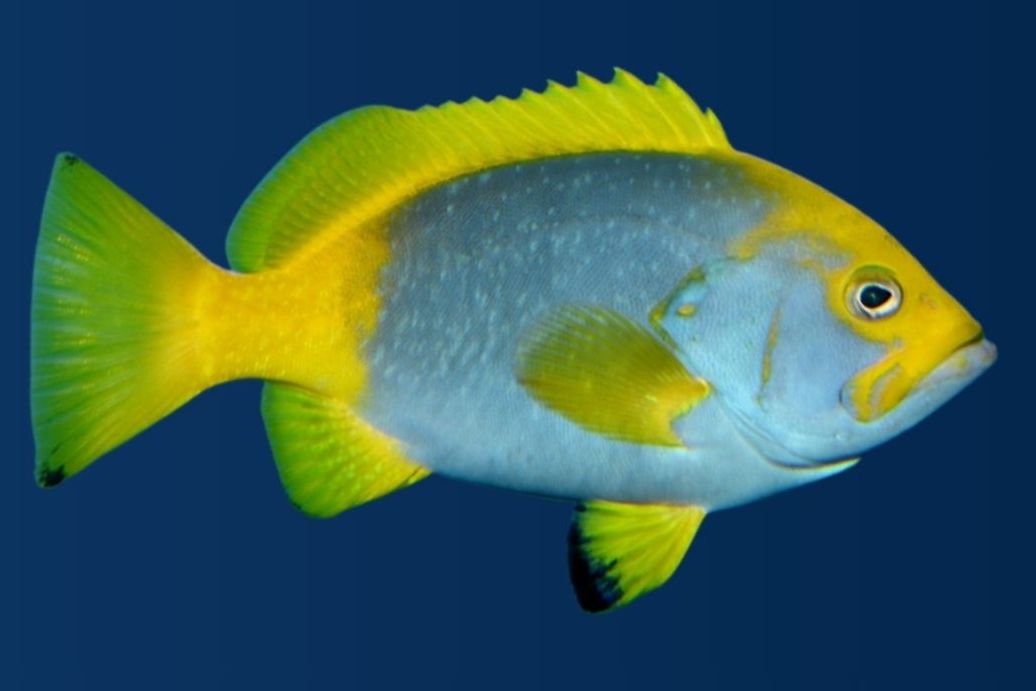
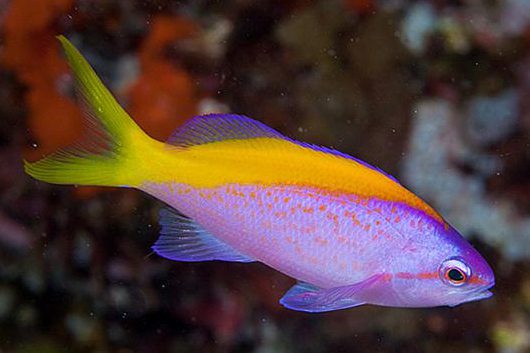
Description
Aquarium Requirements:
- Tank Size: 75 gallons (285 L) minimum for a single specimen; 125+ gallons (475+ L) for harems (1 male + 3–5 females)
- Water Parameters:
- Temperature: 74–80°F (23–27°C)
- pH: 8.1–8.4
- Salinity: 1.020–1.025 SG
- Ammonia/Nitrite: 0 ppm
- Nitrate: <20 ppm
- Water Flow: Gentle to moderate, random (5–10× tank volume per hour) to simulate reef currents
- Lighting: High (PAR 200–300+); essential for color retention and mimicking lagoon habitats
Size & Lifespan:
- Adult Size: 3–4 inches (7–10 cm)
- Lifespan: 5–7 years with consistent feeding and pristine water quality
Behavior & Tank Mates:
- Diurnal, mid-water schooler; forms harems with one dominant male and females – all born female, with largest becoming male if needed
- Peaceful but sensitive; males may spar with other males – keep 1 male per group
- Compatible with:
- Other peaceful anthias, chromis, clownfish, gobies, fairy wrasses, small cardinals
- Soft corals and LPS in reef setups
- Avoid: aggressive fish, large predators, or high-flow powerheads that stress them
- 100% reef-safe – ignores corals and inverts
- Prone to jumping – tight lid required; provide ample rock crevices for resting
Diet & Feeding:
- Planktivore – requires constant small meals to mimic natural zooplankton intake
- Feed 3–5 times daily in tiny portions:
- Frozen mysis shrimp, enriched brine shrimp, or copepod blends (primary diet)
- Live or frozen cyclops, calanus, or bosmina for variety
- High-quality flakes or pellets once acclimated (e.g., LRS Reef Frenzy, PE Mysis+)
- Avoid overfeeding to prevent water quality issues
- Essential: Auto-feeder or multiple daily broadcasts; supplement with refugium for natural pods
Additional Care Notes:
- Moderately difficult for beginners – sensitive to stress, poor water, and transport; mandatory 4–6 week quarantine
- Drip acclimate slowly (1–2 hours); acclimate to high light gradually to prevent shock
- Colors fade without frequent feeding or stable params – vibrant pinks/yellows return with optimal care
- Prefers established tanks with live rock, caves, and hiding spots to reduce anxiety
- UV sterilizer, protein skimmer, and ozone optional but helpful for disease prevention
- Wild-caught only – not captive-bred
- Ideal for nano to mid-size reefs adding graceful movement and color